長島文協中文學校辦校宗旨是教導下一代中文及中華文化同時促進社區對中華文化的了解學校方針是提供家長及學生結交具中華文化背景的朋友的機會,在課堂上教導學生學會完全掌握學習中文的基本工具,輔以文化課增進參與互動,進而對中文及中華文化產生興趣.若校方及家長配合上沒有問題,學生學習六年應具簡易溝通能力1(與個人相關、主題具體) ; 學習九年應具日常生活的一般簡易溝通能力2並稍具語言段落的理解分析能力3.
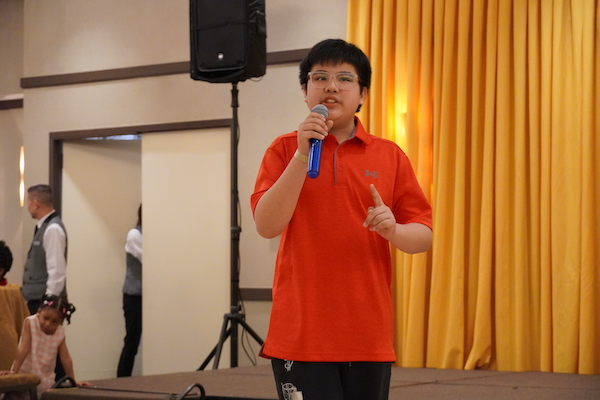
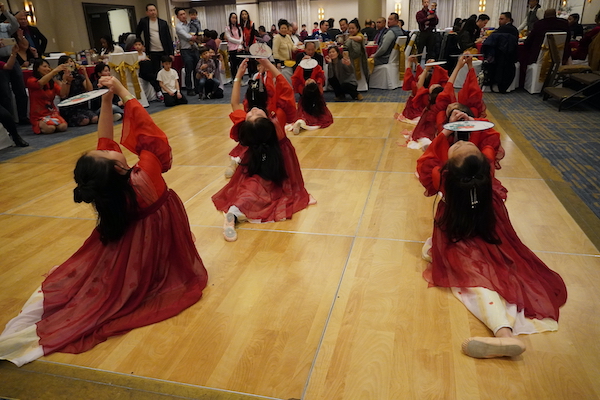
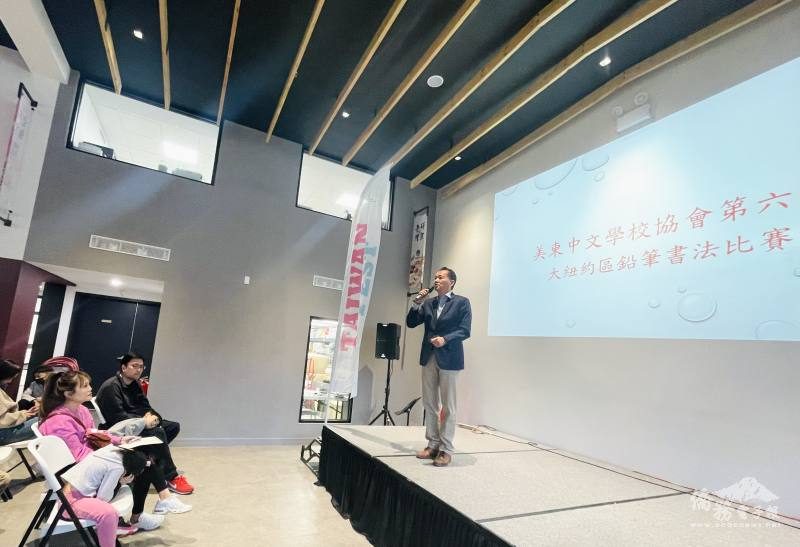
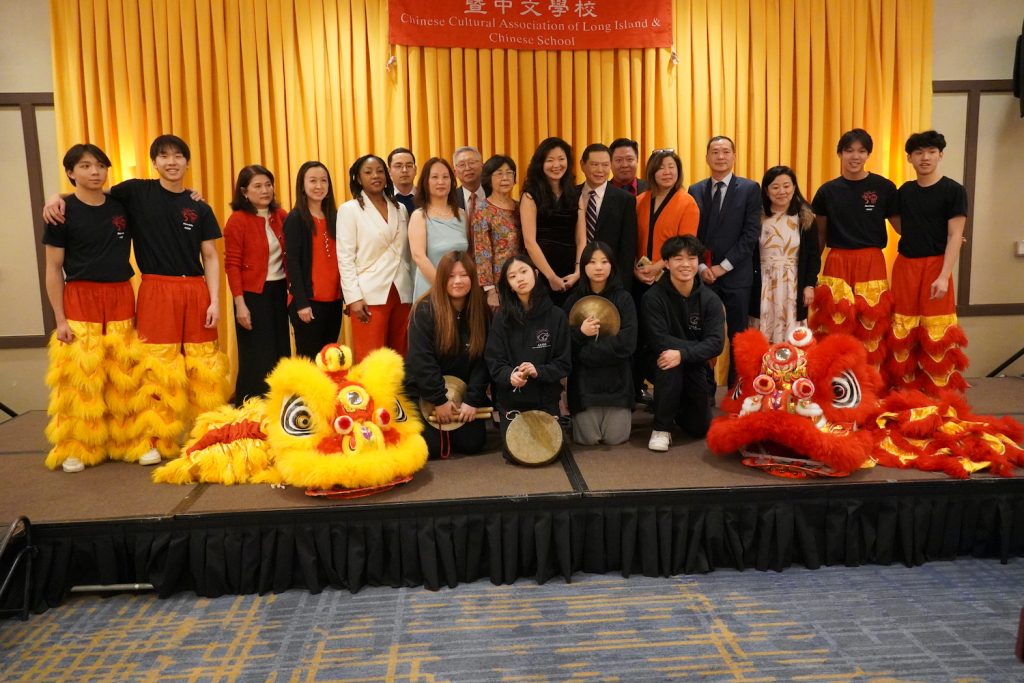
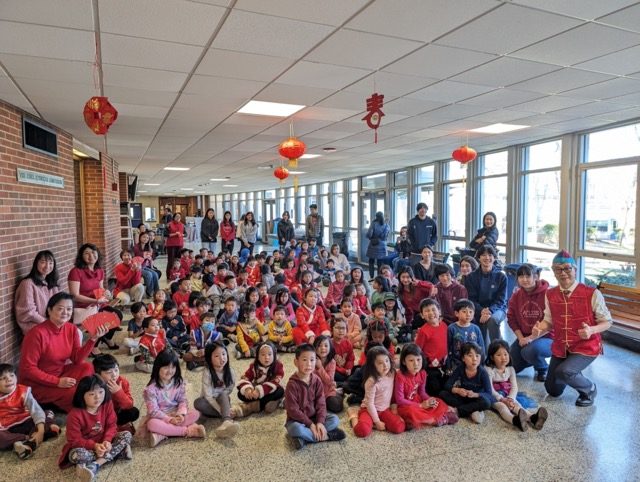
校內活動分為三種, 同樂性活動(聖誕/新年同樂會,春節團拜),要求全員參與的團體性遊戲(認字詞成語), 能力測驗(查字典,語測兒測) 與自願報名性質個人競賽(朗誦演講). 其中僅能力測驗為學校全程負責,其他由校方訂定規則,由家長義工負責活動運作. 我們非常需要家長擔任義工. 全校性跨班跨年級活動有其必要性,一則體現團隊精神,明白全校是個大家庭,有一貫性,再則提供舞台運用所學,藉由觀摩來促進全體自我期許的提昇. 校內活動一覽 新家長座談會 Orientation (mandatory for new member parents who register first time) 家長/協會大會 member meeting, 老師家長座談會 parent teacher meeting 聖誕/新年同樂會 Holiday party 查字典比賽 Dictionary Contest 中國新年晚會 Chinese New Year Fund raising party 春節團拜 Chinese New Year Greeting 演講與說故事比賽 speech contest兒童組(1-3) (P1-P3), 少年組(4-6) (P4-P7), 青少年組(7-9) 朗誦比賽(幼稚班) Recital Contest K1,K2,PK 三至九年級認成語慣用語比賽 Chinese Idioms recognition contest (請參閲每學年每週一句成語慣用語.每週全校老師會依各班程度講解同一成語慣用語,請家長配合說明與使用.) 幼稚班認字比賽﹑一二年級認詞比賽 Chinese Character/Phrase recognition contest 華測會語測(TOCFL)兒測(CCCC)能力測驗
基於以上說明,請家長配合填寫調查表.學校若能充分掌握家長反應及學生學習狀況,有利於課程設計及校務推動.
The goal of Chinese Cultural Association of Long Island & Chinese School is to educate the younger generation Chinese language and Chinese cultural, and to promote understanding of Chinese cultural within the local community. Our school provide the environment for parents and students the opportunity to meet and make friends with Chinese cultural background, classroom instructions teach students tools needed in mastering the language, and cultural classes serves as the bridge to foster communication and interaction among students, parents and teachers and provide a gateway to the fun of learning about the cultural. With corporation between the parents and school, student should be able to achieve basic communication skills after six years1; after nine years of study, students should achieve proficiency in the language and be on their way to mastering the language.
There are three types of inter-school activities: Social activities (Christmas party, New Year Party, Chinese New Year celebrations), group activities including games (idiom and/or character/phrase recognition contest) and abilities testing (dictionary contest and CCCC/TOCFL testing), and individual competition (speech and recital contest). The administrative staff is solely responsible for the abilities testing; all other activities and competitions are run by parent volunteers using guidelines set by the school. We rely on volunteers to make it possible for the successful operations of our school. Inter-school activities across different grades is necessary for fostering team spirit and to promote a sense of belonging, and to provide a stage for showing off students’ achievements and provide the opportunity for learning among peers. Below is a list of annual activities:
Orientation (mandatory for new member parents) Member meeting and parent teacher conferences Holiday party Dictionary contest Chinese New Year fundraising party Chinese New Year celebration Speech contest: lower grades (1~3, P1~P3), middle grades (4~6, P4~P7), and upper grades (7~9) Recital contest for K1, K2 & PK Chinese Idioms recognition contest 3~9 & P3~P7 (this is a school wide curriculum with all students learning the same idiom every week. The success of this program relies upon parents reinforcing what’s learned amount students across different grades to encourage discussion at home) Chinese phrase recognition contest for 1~2 & P1~P2 Chinese character recognition contest for K1, K2 and PK TOCFL and CCCC tests
We would like your corporation in filling out the enclosed survey. With more knowledge regarding your expectations and how your child is learning, we hope we can design a curriculum to better help us accomplish our goals in teaching our children Chinese language and Chinese culture.
1 具簡易溝通能力(與個人相關、主題具體) Basic communication skills 對於簡短的言談,當言語清楚緩慢,能理解內容與掌握重點。當文章簡短,且多為日常生活的常用詞彙時,能理解內容。能理解大部分和個人經驗相關的話語和表達方式。針對單純、例行性、熟悉的任務,能夠簡單、直接地與他人交換信息。能簡單地敘述出個人生長環境、家人狀況、週遭環境及切身需求的事物。
Learners can understand phrases and expressions related to areas of immediate priority , such as basic personal and family information, shopping, local geography, employment, if the other person talks slowly and his/her pronunciation is clear. Learners can also understand very short and simple texts on familiar matters of concrete types that happen frequently in everyday situation or current learning subjects. Can understand sentences and frequently used expressions related to areas of most immediate relevance. Can communicate in simple and routine tasks requiring a simple and direct exchange of information on familiar and routine matters. Can describe in simple terms aspects of his/her background, immediate environment and matters in areas of immediate need.
2 具日常生活的一般簡易溝通能力 Proficiency in the language 當談話內容與學習、娛樂相關的熟悉話題,且講話人的口齒清晰、語音標準時,能了解內容大意和重要細節。 能讀懂個人感興趣的主題或與專攻領域相關的文章;前提是文章以淺白、平鋪直敘的方式寫作而成。
Understand simple words, phrases and conversations on many topics, simple information, commands or directions within context. Find a specific piece of information in simple and clear materials. Understand many common questions, instructions, and directions related to personal experience and general knowledge. Read personal and place names, common signs, short texts with familiar words and simple phrases in predictable contexts. Read longer sentences within a familiar context of daily life and experience. Locate information in materials such as classified ads, sales promotion coupons and flyers.
3 具語言段落的理解分析能力 Master of the language 對於具有一定篇幅且以標準語表達的談話內容,包括專攻領域的技術性討論,不論內容抽象與否,都能聽懂要點大意。閱讀具有相當大的自主性,懂得為了不同目的,採用不同方法和速度閱讀不同的文章,並能選擇適合使用的參考書。具備廣泛且可隨時提取的閱讀詞彙,但對於不常見的慣用語,可能有理解上的困難。
Will be able to identify the main idea, key words, and details in moderately demanding contexts; understand short sets of instructions and discourse related to common experiences and general knowledge; comprehend main points, details, styles, speaker’s purpose, attitudes, and feelings; follow formal and informal conversations and understand abstract and complex ideas in clear and coherent instructional texts. Will be able to identify main ideas, key words, and important details in a paragraph in moderately demanding contexts; locate specific information in materials from various sources; get new information on familiar topics from reading mostly factual texts with clear organization; analyze, compare, contrast, and integrate the information in the materials.
Attachments:
| File | Description | File size |
CCALISurvey.pdf | Survey Form efile format | 354 Kb |
|